
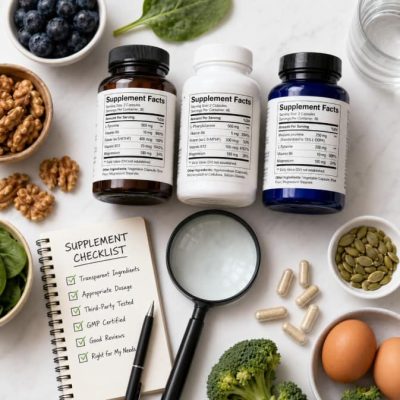
 Interest in dopamine supplements has grown as more people look for ways to support focus, motivation, mood, and mental performance. A quick search for the top 5 dopamine supplements reveals countless products claiming to boost dopamine naturally, but not all are created equal. Differences in ingredients, quality, dosage, and manufacturing standards can make choosing the right product confusing. Before adding any supplement to your routine, it’s important to understand what you’re buying and how to evaluate your options.
Understand What Dopamine Supplements Actually Do
Despite the name, most dopamine supplements do not contain dopamine itself. Common ingredients include amino acids such as L-tyrosine or L-phenylalanine, along with vitamins and minerals that play supporting roles in neurotransmitter production. Some products also contain herbal ingredients that are marketed for cognitive or mood support. Rather than looking for a supplement that promises to “increase dopamine instantly,” focus on products that are designed to support healthy brain function through well-researched nutrients.
Read the Ingredient List Carefully
The supplement facts panel provides valuable information about what is actually inside the product. Look for clearly identified ingredients and avoid products that rely heavily on proprietary blends.
A proprietary blend combines several ingredients into a single total amount without disclosing the quantity of each component. This makes it difficult to determine whether the product contains meaningful amounts of its active ingredients.Transparent labeling allows you to compare products more accurately and discuss ingredients with your healthcare provider if needed.
Evaluate the Active Ingredients
Different dopamine-support supplements use different formulas depending on their intended purpose. Some of the most common ingredients include:
- L-Phenylalanine: Another amino acid that can be converted into tyrosine.
- Vitamin B6: Helps support the enzymes involved in neurotransmitter production.
- Folate and Vitamin B12: Support healthy nervous system function.
- Magnesium: Plays a role in many nerve and muscle functions.
- Mucuna pruriens: A tropical legume that naturally contains L-DOPA, a direct precursor to dopamine. Because it has physiological effects, it may not be appropriate for everyone and should be used with medical guidance.
Look for Third-Party Testing
Dietary supplements are not approved by regulatory agencies before they reach store shelves. For that reason, independent quality testing is an important consideration. While certification does not guarantee that a supplement is effective, it can provide additional confidence in product quality.
Choosing supplements from reputable manufacturers that follow Good Manufacturing Practices (GMP) also adds another layer of assurance.
Compare Dosages
Higher doses are not always better. Some ingredients have been studied within specific dosage ranges, and taking excessive amounts may increase the risk of unwanted side effects without providing additional benefits. When comparing products, check the amount of each active ingredient rather than focusing only on the number of capsules or the overall serving size. Following the manufacturer’s recommended serving size and discussing supplements with your healthcare provider can help reduce unnecessary risks.
Watch for Unrealistic Marketing Claims
Some supplement labels promise dramatic improvements in focus, happiness, motivation, or productivity. Be cautious of statements that sound too good to be true. No dietary supplement can guarantee instant mental clarity, eliminate fatigue overnight, or permanently raise dopamine levels. Brain chemistry is influenced by many factors, including sleep, nutrition, physical activity, stress, medical conditions, and certain medications. Reliable manufacturers typically describe their products in balanced language rather than making exaggerated promises.
Consider Your Personal Health Needs
The best supplement for one person may not be the best choice for someone else. Before choosing a product, think about:
- Your age
- Current medications
- Existing health conditions
- Pregnancy or breastfeeding status
- Allergies or food sensitivities
- Your overall diet and lifestyle
Don’t Overlook Lifestyle Factors
Supplements should complement healthy habits, not replace them. Supporting natural dopamine production starts with a balanced lifestyle.Eating protein-rich foods provides amino acids needed for dopamine synthesis. Regular exercise supports healthy brain function and has been shown to influence dopamine signaling. Quality sleep helps regulate neurotransmitter activity, while stress management supports overall mental well-being.A supplement is most likely to be beneficial when combined with these healthy lifestyle practices.
Compare Value, Not Just Price
The least expensive option is not always the best value, and the most expensive supplement is not necessarily the highest quality. When comparing products, consider:
- Cost per serving
- Number of servings per container
- Ingredient transparency
- Third-party testing
- Manufacturer reputation
- Customer reviews from verified purchasers
Looking at the overall value helps you make a more informed purchasing decision than focusing on price alone.
Know When to Seek Medical Advice
If you are experiencing ongoing problems with motivation, mood, concentration, or fatigue, it is important to identify the underlying cause rather than relying solely on supplements. A healthcare provider can recommend appropriate testing and determine whether supplementation is suitable as part of a broader treatment plan.
Conclusion
Comparing dopamine supplements requires more than reading bold claims on the front of the label. Taking time to review ingredient lists, dosage amounts, product transparency, third-party testing, and manufacturer quality can help you make a more informed decision. Remember that no supplement can replace a healthy diet, regular exercise, quality sleep, and effective stress management. By approaching your purchase carefully and consulting a healthcare professional when appropriate, you can choose a supplement that supports your wellness goals while maintaining realistic expectations about its role in overall brain health.